Ride-On Motorbikes & Electric Dirt Bikes
Our Collection / Ride-On Motorbikes & Electric Dirt Bikes
Featured Products
Browse hand-picked products from this collection.
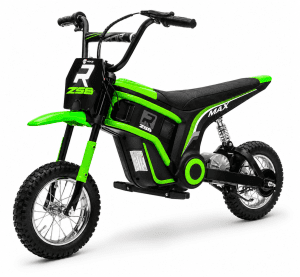
24V Electric Dirt Bike
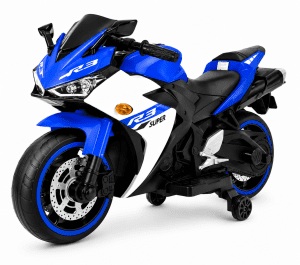
12V – R3 Super Electric Bike
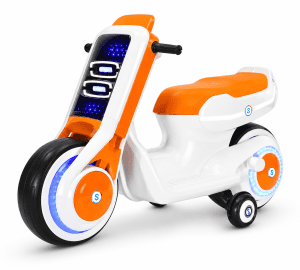
12V – HMX609 Electric Motorcycle
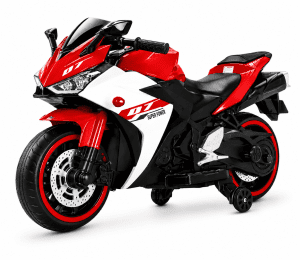
12V – D7 Superpower Electric Bike
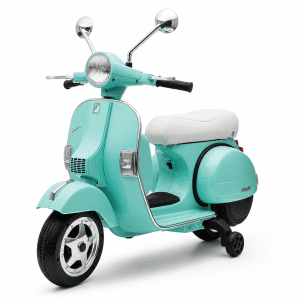
Licensed Vespa 12V Scooter Ride-On for Kids
Ride-on motorbikes and electric dirt bikes use a two-wheel vehicle layout with battery-powered motors, handlebar steering, rider controls, and model-specific balance systems. The CarZoneToys collection covers two clear riding stages: lower-speed 12V motorcycle-style ride-ons with beginner support features and a stronger 24V electric dirt bike built around larger pneumatic tires and suspension.
The current range includes the 24V Electric Dirt Bike, 12V R3 Super Electric Bike, 12V HMX609 Electric Motorcycle, 12V D7 Superpower Electric Bike, and Licensed Vespa 12V Scooter Ride-On for Kids.
These products should not be compared from voltage alone. Rider size, balance ability, training-wheel support, tire design, suspension, speed, battery capacity, surface conditions, and control layout all change how a bike behaves.
A child moving from a supported 12V ride-on motorcycle to a more dirt-bike-style 24V platform also moves into a different handling category. The right choice should match the rider’s physical fit and control skills before styling or maximum speed becomes the deciding factor.
Two-Wheel Chassis Geometry and Beginner Balance Support
A ride-on motorbike uses a narrow frame with one front steering wheel and one rear wheel positioned along the same centerline. Unlike a four-wheel ride-on car, this layout normally requires more balance from the rider once external support wheels are removed.
The handlebars connect to the front fork and allow the rider to change the front-wheel angle. Seat height, handlebar reach, wheelbase, foot position, and overall vehicle weight determine how manageable that steering feels for a smaller rider.
Several 12V models in the current CarZoneToys collection use training-wheel support. The R3 Super Electric Bike and D7 Superpower Electric Bike are both listed with training wheels, while the HMX609 also includes training support. These extra contact points help keep the motorcycle upright at low speed while a beginner learns steering and throttle control.
Training wheels do not turn a motorcycle into the same platform as a four-wheel ride-on. The rider still needs to sit centrally, keep hands on the handlebars, and understand how the front wheel changes direction.
A lower seat position can also make the vehicle easier to fit because the rider has less distance to the ground. The exact seat height and rider limits should still be confirmed from the individual model before purchase.
| Chassis Feature | Mechanical Role | Buying Impact |
|---|---|---|
| Front fork | Holds and turns front wheel | Controls direction |
| Wheelbase | Sets front-to-rear spacing | Changes steering response |
| Seat position | Places rider weight | Affects fit and balance |
| Training wheels | Add side support | Helps beginner riders |
| Handlebar position | Controls steering input | Must match rider reach |
| Foot position | Supports rider posture | Helps maintain control |
12V Ride-On Motorbikes and Controlled Beginner Performance
The 12V portion of the collection is centered on motorcycle-style ride-ons rather than high-output dirt bikes.
The D7 Superpower Electric Bike uses a 12V platform with training wheels and a listed speed range of approximately 3–5 mph. Built-in music adds an interactive feature without changing the basic drive system.
The HMX609 Electric Motorcycle also uses a 12V electrical platform and is currently listed with single-motor drive, training support, and built-in music. Its simpler drive configuration keeps it within the beginner ride-on part of the collection.
The R3 Super Electric Bike combines a 12V power system with training wheels and built-in music. CarZoneToys currently lists this model with a 2-hour runtime, making it an important example of why battery performance must be checked at product level rather than estimated from voltage.
These models share the same general voltage class but should not be assumed to have identical speed, motor output, battery capacity, or rider limits.
A 12V motorcycle platform is most useful when its lower-speed operation, physical dimensions, and training-wheel support match the child’s current riding ability. Product fit should come before assuming that every child needs to move immediately to a higher-voltage bike.
24V Electric Dirt Bike Performance, Suspension, and 12-Inch Tires
The 24V Electric Dirt Bike represents the performance-oriented side of this collection.
CarZoneToys currently lists the model with a top speed of up to approximately 14.29 mph, 12-inch inflatable tires, and a durable suspension system. These features create a significantly different riding platform from the smaller 12V training-wheel motorbikes.
Inflatable tires can provide more cushioning and surface conformity than hard plastic wheels. Tire pressure, tread condition, diameter, and surface type then affect grip and steering response.
Suspension works separately from tire cushioning. It allows part of the wheel or chassis assembly to move when the bike encounters smaller bumps, reducing how directly surface movement reaches the rider.
The 24V electrical system provides the power platform, but voltage alone does not explain the higher performance. Motor configuration, controller settings, gearing, tire diameter, rider load, and battery condition also contribute.
A listed speed above 14 mph also changes the rider requirement. This model should not be treated simply as a faster version of a training-wheel toy motorcycle. Rider fit, experience, braking control, protective equipment, and suitable riding space become more important as speed increases.
| Performance Factor | 12V Ride-On Motorbike | 24V Dirt Bike |
|---|---|---|
| Primary use | Beginner ride-on control | Higher-output riding |
| Balance support | Training wheels on several models | Model-specific |
| Tire setup | Smaller ride-on configuration | 12-inch inflatable tires |
| Suspension | Model-specific | Listed suspension system |
| Speed | Lower model-specific range | Up to about 14.29 mph |
| Surface match | Firm, suitable riding areas | More terrain-focused setup |
Dirt-Bike Styling Versus Licensed Scooter Ride-On Design
Not every product in this collection is intended to imitate an off-road dirt bike.
The Licensed Vespa 12V Scooter Ride-On for Kids uses a completely different visual and riding identity. CarZoneToys lists it with a leather seat, working headlights, and multimedia connectivity, making licensed scooter styling one of its strongest attributes.
Its body shape follows the upright Vespa scooter format rather than the exposed frame, high front fender, and larger tire profile associated with dirt bikes.
This distinction matters because appearance can signal the intended type of play without proving mechanical performance. A vehicle that looks like a dirt bike should not automatically be described as suitable for rough trails, while a licensed scooter should not be treated as road legal simply because it resembles a full-size Vespa.
The R3, HMX609, and D7 sit between these two ends of the collection. They use motorcycle-inspired shapes but remain 12V kids’ ride-ons with beginner-focused support features.
The current collection therefore makes more sense when separated into three supporting product groups:
- beginner 12V ride-on motorcycles
- licensed 12V scooter-style ride-ons
- higher-output 24V electric dirt bikes
That structure keeps related products together without pretending they all have the same terrain or performance capability.
Battery Capacity, Runtime, and Correct Charging
Battery voltage describes the electrical platform; it does not determine ride duration by itself.
CarZoneToys’ current battery guidance explains that runtime depends more directly on battery capacity in amp-hours, rider weight, terrain, and driving style. A higher-voltage bike therefore does not automatically run longer than a lower-voltage model.
The R3 demonstrates why model-specific information matters. Its current listing states a runtime of approximately two hours, but that number should not be copied to the D7, HMX609, Vespa, or 24V Dirt Bike unless their individual specifications state the same figure.
Terrain changes battery demand as well. Smooth hard surfaces create less rolling resistance than grass or rough ground. Repeated hard acceleration also places more demand on the electrical system than steady low-speed riding.
Charging should follow the manual for the exact model. The charger needs to match battery voltage, connector type, required output, and battery system.
A 12V charger should not be used for a 24V dirt bike simply because the connector appears similar. Replacement batteries also need to match the original system rather than only the physical size of the battery compartment.
| Battery Factor | What It Changes | What to Check |
|---|---|---|
| Voltage | Electrical operating class | 12V or 24V system |
| Battery capacity | Available stored energy | Exact Ah rating |
| Rider weight | Motor workload | Model-specific limit |
| Terrain | Rolling resistance | Intended riding surface |
| Riding style | Energy demand | Gentle vs repeated acceleration |
| Charger | Recharge compatibility | Exact model specification |
Rider Fit, Speed Control, and Surface Selection
Rider fit becomes more important as the collection moves from supported 12V motorcycles toward the faster 24V dirt-bike platform.
A child should be able to sit centrally, reach both handlebars comfortably, and operate the accelerator and braking controls without stretching. Foot placement should also match the intended riding position.
Training wheels can help a beginner remain upright, but they should not be used to compensate for a bike that is physically too large.
Speed needs to match the rider as well. The D7’s listed 3–5 mph range occupies a very different performance category from the 24V Dirt Bike’s listed maximum of approximately 14.29 mph.
Surface selection should follow the individual vehicle.
Small training-wheel ride-ons are better matched to firm, relatively smooth surfaces unless their product instructions state otherwise. The 24V Dirt Bike’s inflatable 12-inch tires and suspension give it stronger terrain-oriented hardware, but that still does not mean every trail, slope, mud area, or obstacle is suitable.
Protective equipment and adult supervision should match the vehicle, speed, rider age, and manufacturer guidance. A higher-output electric dirt bike needs more riding space and greater control ability than a low-speed toy motorbike.
Choosing Between CarZoneToys Motorbikes and Electric Dirt Bikes
The right model starts with the child’s current riding stage.
For a beginner who needs side support, the 12V D7 Superpower Electric Bike combines training wheels, a listed 3–5 mph speed range, and built-in music.
The 12V HMX609 Electric Motorcycle provides another beginner platform with single-motor drive, training support, and music features.
The 12V R3 Super Electric Bike adds training wheels and built-in music while currently carrying a model-specific stated runtime of approximately two hours.
For buyers who prefer licensed scooter styling, the Vespa 12V Scooter Ride-On shifts the focus toward a leather seat, working headlights, multimedia connectivity, and recognizable Vespa design.
The 24V Electric Dirt Bike is the clear step into a stronger riding platform. Its listed speed of up to approximately 14.29 mph, 12-inch inflatable tires, and suspension make it the collection’s most terrain- and performance-focused model.
Choose between them using rider size, balance ability, training-wheel needs, speed, battery specifications, tire setup, suspension, riding surface, controls, and available riding space. Voltage is useful for understanding the electrical platform, but the full vehicle specification should decide which motorbike or dirt bike fits the rider.