
12V Ride On Cars
Our Collection / 12V Ride On Cars
Featured Products
Browse hand-picked products from this collection.
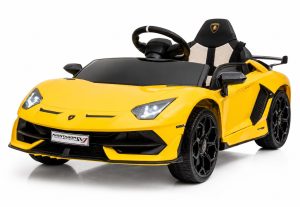
12V Licensed Lamborghini
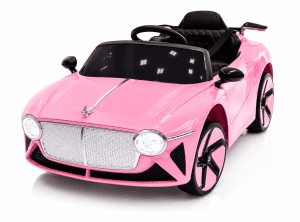
12V Bently Ride-On Car
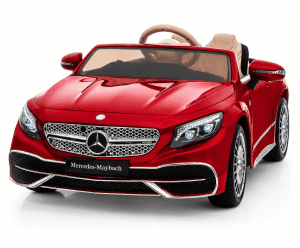
12V Mercedes Maybach Ride-On Car
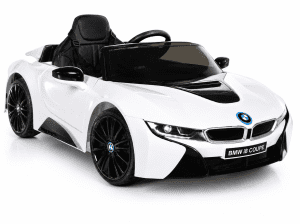
12V BMW Ride-On Car
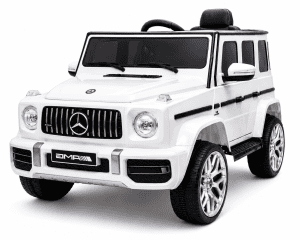
12V Mercedes Benz AMG
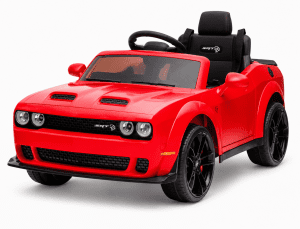
12V Dodge Challenger Ride-On Car
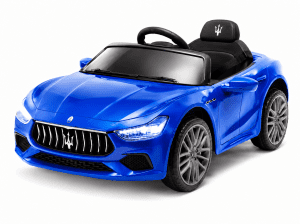
12V Maserati Ride-On Car
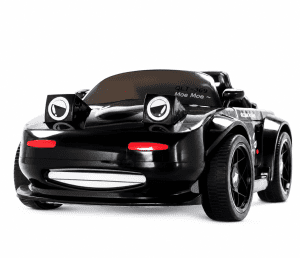
12V Mou Mou Ride-On Car
12V ride on cars use a rechargeable 12-volt electrical system to provide controlled power for everyday kids’ driving. This voltage class works well for paved driveways, sidewalks, patios, and other relatively level riding areas where smooth acceleration and easy control matter more than high output. CarZoneToys carries 12V electric ride on cars in sports-car, luxury-car, and everyday body styles, including designs from Bentley, Lamborghini, Mercedes-Benz, BMW, Dodge, Maserati, and other vehicle types.
The battery voltage is only one part of the drive system. Motor configuration, gearbox ratio, battery capacity, rider weight, wheel design, and surface resistance also affect how the vehicle moves. For younger or less experienced drivers, features such as parental remote control, gradual acceleration, seat restraints, and manageable steering can be more important than raw motor output.
A 12V platform therefore makes the most sense when the priority is controlled driving, realistic vehicle design, and easy everyday use. Families who need stronger hill performance, greater load capacity, or more demanding outdoor capability should compare the individual specifications of higher-voltage models rather than selecting by body style alone.
12V Battery Architecture and Controlled Drive Performance
A 12V battery pack supplies electrical energy to the motor controller, which then regulates power sent to the drive motor or motors. The gearbox converts motor rotation into usable wheel movement, balancing acceleration with the torque needed to move the vehicle and rider. This compact system is one reason 12V ride on cars remain practical for regular driveway and backyard use.
Voltage should not be treated as a complete performance specification. Two 12V vehicles can behave differently if they use different motor outputs, gear ratios, wheel sizes, battery capacities, or rider-weight limits. A single-motor configuration may place less demand on the battery, while a dual-motor system can distribute drive force across more than one wheel. The actual result depends on the individual model.
Surface resistance also matters. Smooth pavement requires less motor effort than thick grass, loose gravel, or an incline. Greater resistance increases current demand and can reduce both speed and operating time. For that reason, the vehicle should be matched to the area where it will actually be driven rather than selected from voltage alone.
The strongest 12V setup is not always the one with the most features. A well-matched battery, motor controller, gearbox, and wheel system provides more useful everyday performance than a specification list that does not suit the rider or terrain.
| Drive Component | Mechanical Role | Buying Impact |
|---|---|---|
| 12V battery pack | Stores electrical energy | Defines the voltage platform |
| Battery capacity | Determines available stored energy | Affects possible ride duration |
| Motor system | Converts power into movement | Influences acceleration and pulling force |
| Gearbox | Transfers motor rotation to the wheels | Balances speed and torque |
| Motor controller | Regulates electrical output | Supports controlled acceleration |
| Wheel system | Transfers power to the ground | Affects traction and ride quality |
Motor, Steering, and Surface Control
A kids electric ride on car needs predictable movement at low speeds. The accelerator pedal normally activates the drive circuit, while releasing it reduces or stops motor power according to the vehicle’s control system. Steering is transferred through the steering wheel and front linkage, allowing the child to control direction in much the same way across most car-style ride-ons.
Wheel construction changes how that movement feels. Wider wheels can provide a larger contact area, while EVA-style wheels, rubberized surfaces, or molded plastic tires produce different levels of grip and vibration control. Suspension, where fitted, helps isolate the body from small bumps and can make outdoor driving more stable on uneven surfaces.
Terrain should remain within the limits of the individual model. Flat pavement and firm paths place less resistance on the drivetrain. Grass, gravel, inclines, and heavier loads make the motors work harder. A 12V ride on car intended mainly for smooth everyday driving should not automatically be treated as an off-road vehicle simply because it has a large body or SUV-style appearance.
Ground clearance matters for the same reason. A low sports-car body can work well on level surfaces but may contact the ground more easily on rough paths. Buyers should compare tire type, chassis clearance, motor configuration, weight capacity, and suspension together when deciding where a particular car can be used.
Parental Remote Control and Rider Safety Systems
Parental remote control adds a second control path between the adult and the ride on car. On compatible 12V models, a wireless transmitter communicates with the vehicle’s receiver or control module so an adult can manage functions such as direction, speed selection, or stopping. The exact controls vary by model, so the product specification should always be checked before purchase.
Remote control is most useful while a child is still learning pedal and steering coordination. It gives an adult another way to manage movement without removing the child from the driving experience. Some systems also provide a priority or stop command that can interrupt normal pedal input.
Soft-start control serves a different purpose. Instead of sending full motor output immediately, the controller increases power more gradually. This reduces the sudden forward movement that can occur when the accelerator is first pressed. Seat belts or other restraints help keep the rider positioned correctly while the vehicle starts, turns, and stops.
Safety still depends on correct rider fit and supervision. Battery voltage does not determine the right age or rider size by itself. Seat dimensions, weight capacity, speed settings, passenger capacity, manufacturer guidance, and the child’s ability to control the vehicle all need to be considered together.
| Safety or Control Feature | System Function | Practical Benefit |
| Parental remote | Secondary control input | Adult guidance during early driving |
| Stop/override control | Interrupts normal movement | Faster adult intervention |
| Soft-start controller | Gradually applies motor power | Smoother initial acceleration |
| Seat restraint | Holds rider in position | Better stability during movement |
| Speed settings | Changes available output | Allows performance to match the rider |
| Steering linkage | Controls front-wheel direction | Predictable directional control |
Licensed Vehicle Design, Cabin Fit, and Body Style
Body design changes more than appearance. The shape of a 12V ride on car affects cabin space, seating position, wheelbase, ground clearance, access, and the amount of room available around the steering wheel and pedals. A low sports-car design can feel very different from a taller luxury sedan or wider ride-on body even when both use a 12V electrical platform.
CarZoneToys’ current 12V lineup covers several recognizable automotive styles. The range includes Bentley, Lamborghini, Mercedes Maybach, BMW, Mercedes-Benz AMG, Dodge Challenger, Maserati, and Mou Mou ride-on designs. These models allow body style and brand preference to be considered after the core mechanical requirements have been matched to the rider.
Fit should come before styling. The child needs enough room to sit correctly, reach the steering wheel, and operate the pedal without an awkward position. Weight limits and manufacturer age guidance should also be checked on the individual product because exterior size does not always show how much rider capacity the chassis is built to support.
Details such as working lights, dashboard controls, audio functions, molded grilles, branded trim, doors, and realistic interior pieces can improve the vehicle experience, but they should remain secondary to drivetrain, rider fit, control systems, and safety features.
Battery Capacity, Charging Cycles, and Long-Term Reliability
Ride duration cannot be predicted accurately from the 12V label alone. Battery capacity, normally expressed in amp-hours (Ah), tells much more about how much electrical energy is available. Rider weight, surface resistance, hills, driving style, motor configuration, and accessory use can then change how quickly that stored energy is consumed.
As a general ride-on category range, battery-powered cars may provide roughly 40–90 minutes of active use per charge, but the individual product specification is the better reference. A car driven continuously on grass with a heavier rider can discharge faster than the same vehicle used gently on smooth pavement.
Charging habits also affect battery life. The correct charger should be used for the installed battery system, and the charging time in the manufacturer manual should be followed. Ride-on batteries commonly require several hours to recharge fully. Repeatedly storing a battery in a discharged state can reduce its usable life.
Long-term maintenance includes checking battery connectors, wiring, the charging port, and the condition of the battery itself. When operating time falls sharply after a full charge, the pack may be reaching the end of its useful life. Any replacement battery should match the original voltage, required capacity range, connector type, physical dimensions, and manufacturer requirements.
| Battery Factor | What It Changes | What to Compare |
| Voltage | Electrical system class | Must match the vehicle |
| Amp-hour capacity | Available stored energy | Compare model-specific Ah ratings |
| Rider load | Motor demand | Check stated weight capacity |
| Terrain | Rolling resistance | Match car to intended surface |
| Charger output | Recharge process | Use the specified charger |
| Battery condition | Power retention | Monitor loss of runtime over time |
Choosing the Right 12V Ride On Car
The right 12V ride on car starts with rider fit, not the badge on the hood. Check the manufacturer’s age guidance, maximum rider weight, seat dimensions, and passenger capacity first. A child should be able to sit naturally, reach the controls, and steer without stretching or leaning forward.
Next, match the drivetrain to the riding area. Smooth driveways and paved paths place less demand on the motors than grass or inclines. If the vehicle will regularly cross uneven ground, compare motor configuration, tire design, suspension, and ground clearance rather than assuming every 12V model will perform the same way.
Parental remote control is worth prioritizing for children still developing steering and pedal control. Battery capacity matters when longer sessions are important, while removable or serviceable battery systems can make future maintenance easier. Body style can then narrow the final selection between luxury sedans, performance-inspired cars, and other designs.
CarZoneToys’ 12V collection includes models such as the Bentley Ride-On Car, Licensed Lamborghini, Mercedes Maybach Ride-On Car, BMW Ride-On Car, Mercedes-Benz AMG, Dodge Challenger Ride-On Car, Maserati Ride-On Car, and Mou Mou Ride-On Car. Individual product pages should be used for the final check of motor output, battery capacity, rider limit, remote-control functions, dimensions, and included equipment before ordering.
For a direct comparison with stronger voltage platforms, see the 12V vs 24V Ride-On Cars guide. For charging, storage, and replacement guidance, read How Long Do Ride-On Car Batteries Last?. These comparisons make it easier to choose by actual use requirements instead of voltage or appearance alone.