
Push Cars and Strollers
Our Collection / Push Cars And Strollers
Featured Products
Browse hand-picked products from this collection.
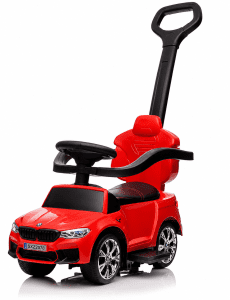
BMW 4-in-1 Battery Powered Push Car
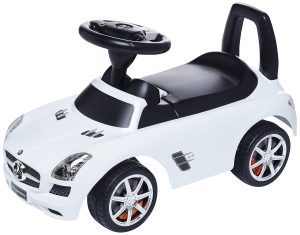
Mercedes Benz Push Car
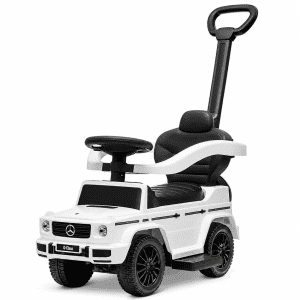
Mercedes G-Wagon 3-in-1 Push Car
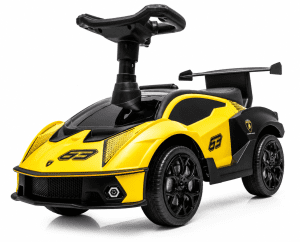
Lamborghini SCV Push Car Officially Licensed
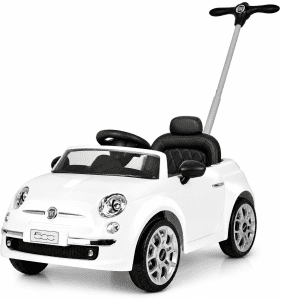
Fiat 500 Push Car
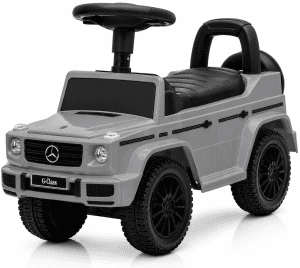
Mercedes G-Wagon Push Car with Lights, Horn & Music
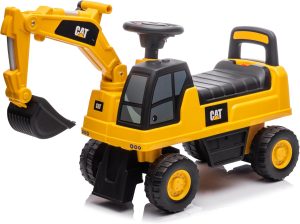
CAT Excavator Push Car – Licensed Caterpillar Ride-On Digger Toy
Push cars and stroller-style ride-ons give toddlers a low-speed way to move from parent-guided riding toward independent foot-to-floor play. Instead of relying on a large electric drivetrain, these compact vehicles use simple steering, low seating positions, rolling wheels, parent handles, footrests, safety rails, and convertible riding parts depending on the model.
The CarZoneToys collection includes licensed and themed push cars from Mercedes-Benz, BMW, Lamborghini, Fiat, and Caterpillar CAT, with models ranging from simple foot-powered ride-ons to 3-in-1 and 4-in-1 convertible systems.
A parent-guided push car works differently from a conventional stroller. Its vehicle-shaped body, steering wheel, low seat, removable support parts, and eventual foot-to-floor operation place it closer to a transitional toddler ride-on. This allows the same platform to support guided movement first and more independent riding later on compatible models.
The right choice depends on the child’s age, rider weight, seating position, mobility stage, parent-control requirements, safety structure, storage needs, and intended riding surface.
Parent-Guided Push Cars and Foot-to-Floor Mobility
Push cars generally use one of two mobility approaches: parent-guided movement or child-powered foot-to-floor propulsion.
In parent-guided configurations, an adult uses a rear push handle to move and direct the vehicle while the child remains seated. This setup is useful before a toddler is ready to control movement independently. Footrests can keep the rider’s feet away from the ground during this stage, while surrounding rails or hand supports help maintain the intended seating position.
Foot-to-floor models shift the movement responsibility to the child. The rider pushes against the ground with both feet to move forward, slow down, or reposition the vehicle. The Mercedes Benz Push Car is a current example in the CarZoneToys range, using non-battery-powered foot-to-floor movement together with a functional steering wheel.
The two systems can also exist within one convertible product. Removable handles, foot supports, and guardrails allow some push cars to transition as the rider gains coordination.
The useful buying question is therefore not simply whether the body looks like a car. Buyers should identify who controls movement at the child’s current stage and whether the product can adapt as that changes.
| Mobility Feature | Main Function | Practical Use |
|---|---|---|
| Parent push handle | Adult-guided movement | Early assisted riding |
| Foot-to-floor design | Child propels vehicle | Independent mobility |
| Footrest | Supports feet while being pushed | Guided riding comfort |
| Steering wheel | Provides directional input | Interactive control |
| Removable supports | Changes riding configuration | Growth-stage transition |
| Low seating position | Keeps rider close to ground | Easier entry and stability |
3-in-1 and 4-in-1 Convertible Riding Systems
Convertible push cars combine several toddler mobility stages within one chassis. Rather than remaining fixed as a stroller-style vehicle or basic ride-on, removable and adjustable parts change how the child interacts with the product.
The BMW 4-in-1 Push Car is one of the strongest examples in the current collection. Its four configurations include stroller, walker, rocker, and ride-on modes. A removable parent handle supports guided movement, while guardrails and a footrest provide additional structure during the earlier stage.
Walker and ride-on configurations introduce more child-controlled movement. As support components are removed, the vehicle becomes less parent-directed and allows the toddler to take a larger role in propulsion and steering.
The Mercedes G-Wagon 3-in-1 Push Car follows the same broader conversion concept with fewer stages. These designs make sense when parents want a ride-on that remains useful through several phases rather than purchasing a separate guided vehicle and independent push car.
Conversion count by itself is not enough to determine quality. The important details are what each mode actually changes, whether support components lock securely, whether the child fits correctly in each configuration, and whether the product remains within the manufacturer’s age and weight limits.
A well-designed convertible system should make the transition between stages clear rather than adding removable pieces without a useful change in function.
Guardrails, Anti-Roll Design, and Seated Rider Stability
Toddler push cars operate at relatively low speeds, but rider position still matters. Safety rails, backrests, foot supports, anti-roll structures, and low seat placement help keep the child positioned correctly during movement.
The BMW 4-in-1 model uses safety guardrails, a safety block, stable footrest, and removable hand supports during its more assisted stages. The Mercedes Benz Push Car uses a different setup, combining an ergonomic seat, high backrest, and rear anti-roll board.
These features perform different jobs.
Guardrails help create a more enclosed seating area for younger riders. A backrest supports the rider’s upper body. A footrest gives the child a defined place to keep their feet while an adult pushes. An anti-roll structure at the rear helps limit excessive backward movement of the vehicle.
No single feature should be treated as a replacement for correct supervision or rider fit.
A child should be able to sit naturally without sliding sideways, leaning far forward to reach the steering wheel, or exceeding the approved weight capacity. Removable components should also be installed or removed according to the intended riding stage rather than only for appearance.
| Support Feature | Structural Purpose | Rider Benefit |
|---|---|---|
| Safety guardrail | Surrounds seating area | Helps maintain rider position |
| High backrest | Supports upper body | More stable seated posture |
| Footrest | Supports feet off the ground | Better guided-riding position |
| Anti-roll board | Limits rearward tipping movement | Additional chassis stability |
| Safety block | Supports stable base geometry | Reduces unwanted movement |
| Parent handle | Keeps adult control available | Guided operation |
Licensed Mercedes-Benz, BMW, Lamborghini, Fiat, and CAT Designs
Licensed styling is a strong supporting entity in the current CarZoneToys collection because several products are modeled after recognizable automotive or equipment brands.
Mercedes-Benz models bring G-Wagon and luxury-car body cues into a toddler-sized platform. The current range includes a Mercedes Benz Push Car, Mercedes G-Wagon Push Car with Lights, Horn & Music, and Mercedes G-Wagon 3-in-1 Push Car.
The BMW 4-in-1 Push Car combines licensed BMW styling with its multi-stage mobility system. Realistic grille details, branding, lights, horn functions, and vehicle-shaped body panels support pretend driving while the actual riding system remains designed around toddler mobility.
The collection also includes a Lamborghini SCV Push Car, giving buyers a lower sports-car-style alternative to the taller Mercedes and BMW designs.
A Fiat 500 Push Car brings another recognizable passenger-car body style to the collection.
The CAT Excavator Push Car takes a different approach. Instead of a luxury or performance-car shell, it uses licensed Caterpillar construction styling and a functional front digging bucket. This gives the ride-on a second activity beyond movement and steering.
Licensed styling should come after fit and control requirements, but it can be an effective final differentiator between otherwise similar push-car platforms.
Steering, Horns, Music, Lights, and Under-Seat Storage
Push cars combine movement with simple interactive controls that imitate parts of a full-size vehicle.
A functional steering wheel gives the rider a direct physical control to turn while also supporting pretend driving. Depending on the model, steering wheels can include horn or music controls that add sound-based interaction.
The Mercedes Benz Push Car includes music and horn functions, while the BMW 4-in-1 adds headlights, a horn, and MP3 functionality. The Mercedes G-Wagon range also includes models built around lights, horn, and music features.
These systems are supporting features rather than reasons to ignore basic fit or safety structure. A toddler who cannot reach the floor, steering wheel, or intended supports comfortably will gain less from additional entertainment equipment.
Storage is more practical. Both the Mercedes push-car platform and CAT Excavator use under-seat storage, allowing smaller toys or personal items to travel with the rider without changing the overall vehicle footprint.
The CAT model adds a functional digging bucket to that structure. Its front attachment allows construction-themed play while the child remains on a simple foot-powered ride-on platform.
| Feature | Main Role | Use |
|---|---|---|
| Functional steering | Directional input | Riding and pretend driving |
| Horn | Sound interaction | Vehicle-themed play |
| Music/MP3 | Entertainment | Longer play sessions |
| Headlights | Visual detail | Licensed styling |
| Under-seat storage | Small-item storage | Toys and accessories |
| CAT digging bucket | Movable play attachment | Construction role-play |
Toddler Fit, Age Range, and Weight Capacity
Age labels are useful starting points, but physical fit and manufacturer limits should determine which push car is appropriate.
The BMW 4-in-1 Push Car is currently listed for toddlers around 1–3 years old. Its convertible support system fits that younger mobility stage because the parent handle, guardrails, and footrest can remain in place before the vehicle changes toward more independent use.
The current Mercedes Benz Push Car is listed for approximately 25–84 months with a rider capacity up to 50 lb. Its foot-to-floor design therefore occupies a different part of the collection from the younger guided BMW platform.
These numbers should not be copied to every product.
A child needs enough leg reach for foot-powered movement, but not so much height that the knees are excessively bent. Steering controls should remain within comfortable reach, and the seat should provide enough room without allowing excessive movement.
For guided models, feet should rest securely on the intended foot support. For independent models, the child should be able to place their feet firmly on the surface.
Always use the exact age guidance and maximum weight stated on the individual product page rather than assuming every push car has the same 55 lb capacity or toddler age range.
Wheels, Riding Surfaces, and Everyday Use
The current push-car collection is built primarily for relatively smooth everyday surfaces rather than rough off-road terrain.
Indoor flooring, patios, sidewalks, and paved driveways place relatively low resistance on small push-car wheels. These surfaces also make foot-to-floor movement easier because the child can push against a firm base.
Rough grass, deep gravel, large cracks, steep slopes, and uneven ground require more effort and can make small plastic or smooth-rolling wheels harder to control.
The CAT Excavator is listed for indoor and outdoor use with a compact lightweight structure, while the Mercedes Benz Push Car is also positioned for smooth indoor and outdoor riding.
Wheel condition matters over time. A damaged wheel, loose axle, or poorly aligned steering assembly can change how easily the vehicle rolls or turns.
Parent-guided models should also be checked at the push-handle connection because repeated steering and pushing place stress on that part of the chassis.
The correct surface is therefore the one that matches the wheel system, vehicle size, rider stage, and manufacturer guidance rather than assuming every push car is an all-terrain stroller.
Choosing a Push Car or Stroller-Style Ride-On
The current CarZoneToys collection should be chosen first by mobility stage, then by styling.
For a younger toddler who still needs adult guidance, the BMW 4-in-1 Push Car provides the strongest multi-stage setup with stroller, walker, rocker, and ride-on configurations, plus parent control, guardrails, and a footrest.
For a child ready for direct foot-to-floor movement, the Mercedes Benz Push Car offers a simpler non-powered structure with functional steering, high backrest, anti-roll protection, sounds, and under-seat storage.
The Mercedes G-Wagon 3-in-1 sits between simple and multi-stage designs, while the G-Wagon push-car model with lights, horn, and music puts more emphasis on interactive vehicle play.
The Lamborghini SCV and Fiat 500 provide alternative licensed body styles for buyers who want the same general toddler ride-on category without Mercedes or BMW styling.
The CAT Excavator Push Car is the strongest choice when construction play matters. Its functional bucket, steering wheel, music, horn, storage, and lightweight body make it meaningfully different from the passenger-car designs.
Choose by parent control, child propulsion, conversion modes, seating support, age and weight limits, steering, storage, riding surface, and licensed design. Those relationships define the Push Cars and Strollers collection more accurately than unrelated stroller wagons, push trikes, or large family transport systems.