
Electric Scooters
Our Collection / Electric Scooters
Featured Products
Browse hand-picked products from this collection.
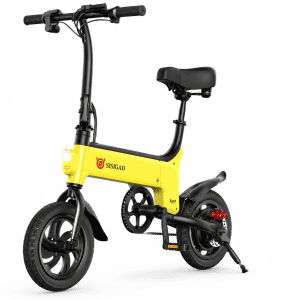
36V – 14″ Lynx Plus Folding Electric Bike
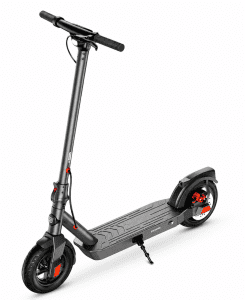
350W Phantom A8 Electric Scooter
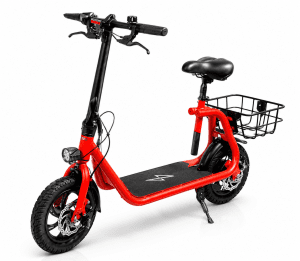
36V-R1 Phantom Gogo sitting foldable scooter
Electric scooters combine a rechargeable battery, electric motor, motor controller, compact frame, and rider controls into a lightweight personal-mobility platform. Folding designs make these vehicles easier to store and move between locations, while standing and seated configurations allow riders to choose a setup that better matches their daily use.
The current CarZoneToys Electric Scooters collection includes the 350W Phantom A8 Electric Scooter, 36V-R1 Phantom Gogo Sitting Foldable Scooter, and 36V 14-inch Lynx Plus Folding Electric Bike. The Phantom A8 uses a 350W motor with a 36V battery system and folding frame. The R1 adds a padded seat, disc brakes, and lithium battery system, while the Lynx Plus combines a 500W motor, 36V battery, folding structure, and 14-inch wheels.
These products differ in riding position, motor output, wheel size, braking, and frame layout, so the best option cannot be selected from voltage alone. Battery capacity, rider weight, terrain, speed, tire condition, and riding style all affect real performance.
For commuting and short-distance travel, the useful comparison is the complete system: motor output, battery capacity, braking, wheel setup, portability, rider fit, and charging requirements.
36V Electrical Architecture and Motor Power Delivery
A 36V electric scooter sends stored battery energy through a motor controller to the electric drive motor. The controller responds to throttle input and determines how much current reaches the motor, while the motor converts that electrical energy into wheel movement.
The Phantom A8 uses a 350W motor with a 36V rechargeable battery, while the Lynx Plus increases rated motor output to 500W while retaining a 36V electrical platform. This comparison shows why voltage and motor wattage need to be read separately.
Voltage identifies the electrical operating class. Motor wattage describes rated output. Battery capacity describes how much energy is stored. A scooter can therefore share the same 36V architecture with another model while delivering different acceleration or load response because its motor, controller, gearing, wheel size, and battery capacity differ.
Higher motor output can provide more available drive force when resistance increases, but wattage alone does not guarantee faster acceleration, greater hill capability, or longer range. Rider weight, battery state, controller settings, tire pressure, road gradient, and wheel diameter all affect the final result.
The strongest buying comparison is therefore not simply 350W versus 500W. Motor output should be matched to battery capacity, rider requirements, route conditions, braking performance, and overall vehicle weight.
| Power Factor | Mechanical Role | What It Changes |
|---|---|---|
| 36V battery system | Supplies electrical energy | Defines electrical platform |
| Motor wattage | Rated drive output | Influences available motor force |
| Motor controller | Regulates current | Controls acceleration response |
| Throttle input | Sends rider demand | Changes motor output |
| Rider weight | Adds drivetrain load | Affects acceleration and energy use |
| Road gradient | Increases resistance | Requires more motor output |
Folding Frames, Standing Decks, and Seated Riding Configurations
Frame design changes how an electric scooter is used even when the electrical system is similar. A standing scooter prioritizes a compact deck and upright handlebar layout, while a seated scooter shifts part of the rider’s weight onto a saddle and changes the overall riding position.
The Phantom A8 uses a lightweight foldable frame and compact structure, making portability one of its defining attributes. A folding joint allows the handlebar or stem assembly to reduce the scooter’s storage footprint when the vehicle is not being ridden.
The R1 Phantom Gogo uses a seated folding configuration with a padded seat, adding support for riders who prefer not to remain standing throughout the trip. Seating changes weight distribution and rider posture, so brake reach, handlebar position, foot placement, and saddle fit become more important.
The Lynx Plus uses a folding bicycle-style frame with an ergonomic seat and 14-inch wheels. Although this model crosses into compact e-bike architecture, its presence in the current collection expands the range toward seated portable electric mobility.
A folding system should lock firmly when opened. Repeated folding places stress on hinges, locking mechanisms, cables, and frame joints, so those areas deserve routine inspection.
Portability should also be judged using total vehicle weight and folded dimensions rather than the word “folding” alone.
Braking, Wheel Size, and Road-Surface Control
Motor performance matters only when the rider can maintain control during acceleration, cornering, and stopping. Brakes, tires, wheel diameter, frame geometry, and rider position all affect how an electric scooter behaves on real surfaces.
The R1 Phantom Gogo is listed with disc brakes, giving it a mechanical braking system designed to reduce wheel speed through friction at the brake rotor. The exact brake configuration of each other product should be confirmed from its live specification rather than assumed across the collection.
Wheel size changes how the vehicle reacts to surface irregularities. The Lynx Plus uses 14-inch wheels, creating a different contact and handling profile from a compact standing scooter. Larger wheels generally encounter small cracks and road joints differently from smaller scooter wheels, but tire material, pressure, tread, suspension, and vehicle geometry also matter.
CPSC specifically warns that small e-scooter tires can be affected by obstacles and uneven surfaces, which makes surface awareness a genuine safety factor rather than a secondary comfort issue.
Smooth pavement creates relatively low rolling resistance. Rough surfaces, loose material, steep gradients, and poor tire pressure increase the work required from the motor while also affecting traction and braking.
| Control Factor | Function | Buyer Check |
|---|---|---|
| Mechanical brake | Reduces wheel speed | Confirm model-specific type |
| Wheel diameter | Changes surface response | Match to expected route |
| Tire condition | Maintains road contact | Check pressure and wear |
| Deck or seat position | Supports rider | Confirm stable posture |
| Handlebar alignment | Controls steering | Correct height and reach |
| Surface condition | Changes traction | Avoid unsuitable terrain |
Battery Capacity, Range, and Safe Charging
A 36V battery label does not provide a fixed riding range. Voltage identifies the electrical platform, while battery capacity determines how much energy is stored. The exact amp-hour or watt-hour rating therefore matters when comparing how far two scooters may travel between charges.
Range changes with rider weight, speed, motor output, hills, temperature, tire pressure, repeated acceleration, and road resistance. A 500W motor can demand energy differently from a 350W system depending on how it is controlled and ridden.
The same principle applies to the R1’s lithium battery system. Lithium chemistry describes the battery type, but capacity and controller demand still determine usable riding time.
Charging hardware should match the exact battery system. CPSC advises micromobility users to follow manufacturer charging instructions, use the supplied or manufacturer-approved charger, remain present while charging, and avoid unapproved replacement or modified battery packs.
A connector that physically fits is not enough to establish charger compatibility. CPSC has specifically warned against generic “universal” micromobility chargers because different battery systems can require different charging characteristics.
Battery condition should also be monitored over time. Reduced range after charging can indicate battery aging, but low tire pressure, brake drag, colder conditions, increased rider load, or more demanding terrain can produce similar symptoms.
| Battery Factor | What It Represents | What to Compare |
|---|---|---|
| Voltage | Electrical operating class | 36V system compatibility |
| Amp-hours | Charge capacity | Model-specific rating |
| Watt-hours | Total stored energy | Useful range comparison |
| Motor demand | Rate of energy use | 350W vs 500W configuration |
| Rider load | Resistance being moved | Stay within stated limit |
| Charger | Battery recharge system | Use approved compatible unit |
Rider Fit, Portability, and Daily Commuting Use
An electric scooter should fit both the rider and the daily route. Handlebar reach, standing deck size, seat position, vehicle weight, folding mechanism, braking access, and wheel dimensions affect whether a model remains practical after the first few rides.
The Phantom A8 is listed for teens and adults and is designed around a lightweight folding structure for commuting and leisure use. Its compact architecture is better suited to buyers who value carrying and storage than a larger seated platform might be.
The Lynx Plus is also positioned for teens and adults, but its seat, 14-inch wheels, 500W motor, and folding bike frame create a different use case. It takes more physical space than a standing scooter but provides a conventional seated position.
The R1 sits between those two approaches by combining a foldable scooter chassis with a padded seat.
Storage should therefore be considered before purchase. A scooter that folds may fit more easily into a garage, apartment, office, or vehicle, but total weight still determines how practical it is to carry up stairs or move without motor assistance.
Rider capacity should always come from the individual product specification. Motor wattage, frame appearance, or wheel size should never be used to estimate an approved weight limit.
For public-road, sidewalk, bike-lane, or trail use, riders should also check current state and local rules because operating requirements for electric scooters can vary by location.
Choosing Between CarZoneToys Electric Scooters
The current CarZoneToys Electric Scooters collection covers three different compact electric-mobility configurations.
The 350W Phantom A8 Electric Scooter is the clearest standing-scooter option. It combines a 350W motor, 36V rechargeable battery, lightweight folding frame, compact structure, and smooth acceleration control. It fits buyers who place portability and straightforward short-distance riding near the top of the list.
The 36V-R1 Phantom Gogo Sitting Foldable Scooter changes the riding position by adding a padded seat, while its listed disc brakes and lithium battery system make braking and seated comfort central parts of its comparison.
The 36V 14-inch Lynx Plus Folding Electric Bike provides the highest confirmed motor rating in the current collection at 500W. Its 36V battery, folding frame, 14-inch wheels, ergonomic seat, and adjustable handlebar alignment create a more bicycle-like portable commuter setup.
Start the decision with riding position: standing, seated scooter, or compact folding bike. Then compare motor output, battery capacity, braking system, wheel size, rider limits, vehicle weight, folded dimensions, and normal route conditions.
A higher wattage figure is not automatically the better choice. The most useful model is the one whose motor, battery, controls, frame, braking, wheels, and portability match the rider and the distance it will actually cover.