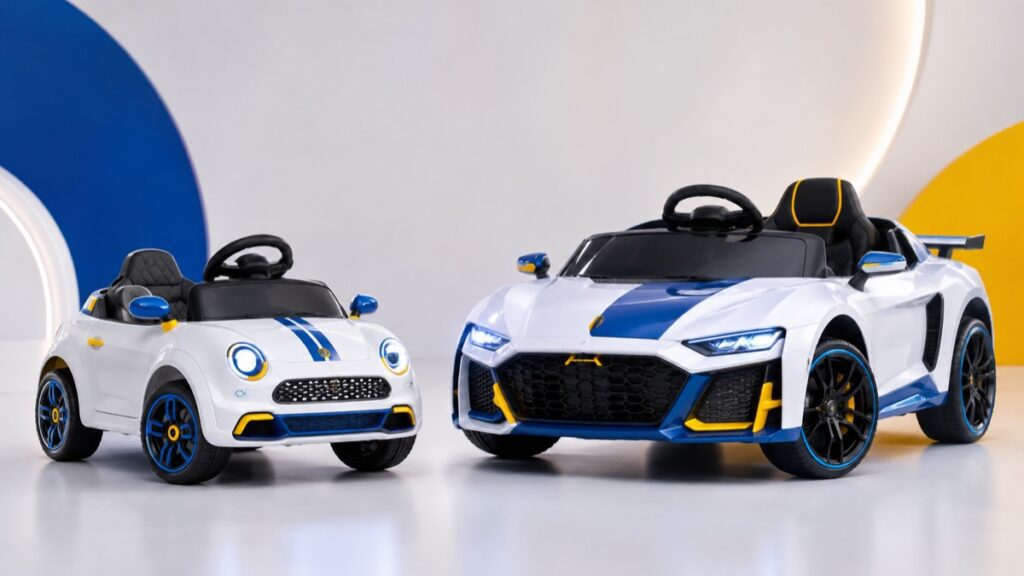
One of the first questions parents ask when shopping for a kids’ ride-on car is simple: should I get a 12V or a 24V model? The voltage refers to the battery and motor system, and it’s the single biggest factor in how fast, powerful, and capable the car is. This guide breaks down the real differences so you can match the right ride-on to your child’s age, your yard, and your budget.
12V vs 24V ride-on cars at a glance
| 12V ride-on cars | 24V ride-on cars | |
|---|---|---|
| Best age | 2–5 years | 5–9+ years (and heavier kids) |
| Top speed | ~3–5 mph | ~4–8 mph |
| Motors | Usually single/dual low-power | Dual higher-power motors |
| Best terrain | Smooth surfaces, pavement, driveways | Grass, gravel, mild inclines |
| Seats | Mostly single-seat | Single or two-seat options |
| Price | Lower entry point | Higher, more capability |
What the voltage actually means
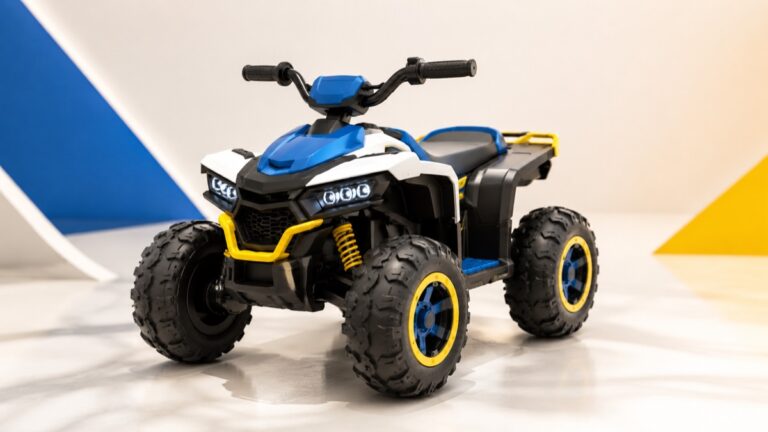
Voltage tells you how much power the battery delivers to the motors. A 12V ride-on is designed for gentle, controlled driving on flat, even surfaces — perfect for younger children who are still learning to steer. A 24V ride-on pushes more power to the wheels, so it reaches higher speeds and has the torque to handle grass, gravel, and gentle hills that would stall a 12V model.
More voltage isn’t automatically “better” — it’s about matching capability to the rider. A 3-year-old doesn’t need (and shouldn’t have) the speed of a 24V car, while an active 7-year-old will quickly outgrow a 12V.
Match it to your child’s age and weight
- Choose 12V if your child is roughly 2–5 years old, lighter, and driving mostly on a patio, driveway, or sidewalk. The slower top speed is a feature, not a limitation — it keeps early driving safe and manageable.
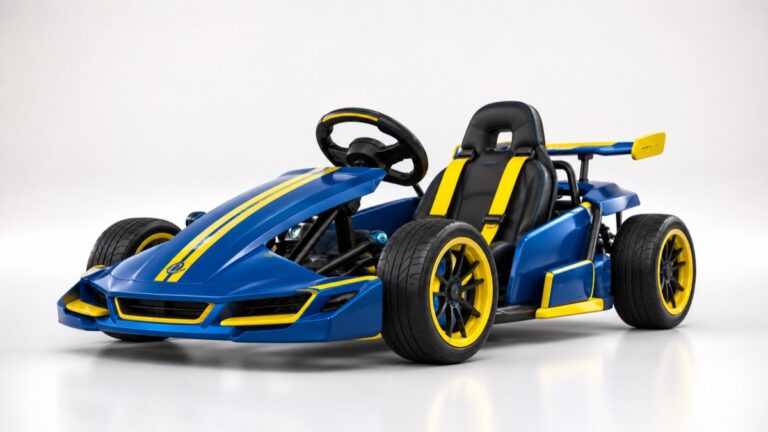
- Choose 24V if your child is 5 or older, on the heavier side for their age, or you want a ride-on that keeps up as they grow. The extra motor power also matters if two kids will ride together.
Think about your terrain
This is where the difference is most obvious. On smooth pavement, a 12V car cruises happily. Put that same car on a thick lawn and it will slow down or stop. If your child will mostly ride on grass, gravel, or anything with a slope, go 24V — the dual motors and higher torque are built for it. If your surfaces are smooth and flat, 12V is plenty.
One seat or two?
If siblings or friends will ride together, a two-seat 24V model carries the extra weight without bogging down. Most 12V cars are single-seat and best kept that way — adding a passenger to an underpowered car drains the battery fast and strains the motors.
Battery life and charging
Run time depends on the battery’s amp-hour (Ah) rating, the rider’s weight, and the terrain — not voltage alone. As a rule of thumb, expect roughly 40–90 minutes of play per charge, with a full recharge taking 8–12 hours. Heavier riders and grass shorten run time; smooth surfaces extend it. If your child rides in long sessions, look for a higher-Ah battery or keep a spare charged.
Safety features to look for (on both)
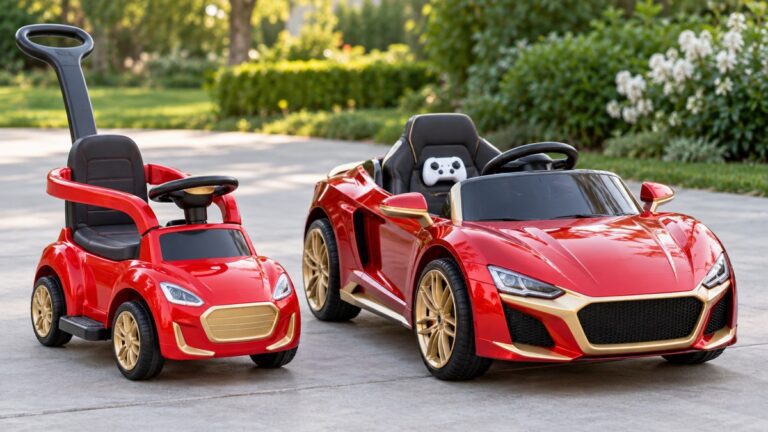
- Parental remote control — lets you steer, accelerate, and brake for your child; essential for younger riders.
- Seat belts and a sturdy, stable frame.
- Soft-start so the car accelerates smoothly instead of lurching.
- Adjustable speed settings so you can cap the top speed while your child learns.
Every ride-on we carry at Carzone Toys is chosen with these safeguards in mind.
So, which should you buy?
Buy a 12V ride-on car for a toddler or preschooler who’ll drive on smooth surfaces and is new to steering. Buy a 24V ride-on car for an older or more adventurous child, for grass and hills, or when you want a ride-on with room to grow — including two-seat options.
When in doubt, size up: children grow into 24V cars quickly, and the extra capability means the ride-on stays fun for more years.
Shop the collections
Ready to choose? Browse our full lineups — every model ships fast across the U.S. from our Douglasville, GA store:
- Shop all 12V ride-on cars
- Shop all 24V ride-on cars
- Ride-on jeeps & trucks for off-road styling
Frequently asked questions
Is a 24V ride-on car too fast for a 5-year-old?
Not if it has adjustable speed settings and a parental remote. Start on the lowest speed and use the remote until your child is confident, then unlock higher speeds as they’re ready.
Can a 12V ride-on car go on grass?
On short, firm grass some 12V models manage slowly, but thick or long grass will bog them down. For regular grass use, choose 24V.
How long do the batteries last per charge?
Typically 40–90 minutes of active play, depending on the battery size, rider weight, and terrain. A full charge usually takes 8–12 hours.
Do both 12V and 24V come with a parental remote?
Most models in both ranges do. It’s the most important feature for younger riders, so check the product specs — every listing on our site notes whether a remote is included.
Which lasts longer as my child grows — 12V or 24V?
A 24V ride-on generally stays usable for more years because it handles heavier riders and more terrain. If you want one car for the long haul, 24V is the safer bet.
Shopping for Christmas? See our ride-on gift picks by age & budget — order by Dec 5 for shipped delivery, or pick up free in Douglasville, Dawsonville or Stonecrest. Black Friday deals →