
🚚 Fast U.S. Shipping on every order 💳 Buy now, pay later with Affirm — choose it at checkout 🎉 Take 15% OFF with code SCHOOL15 ⭐ Rated 4.9/5 by happy customers on Google ↩️ Easy 30-day returns on every order 🔒 Secure checkout — your payment is protected

Ride On Bumper Cars

# Ride On Bumper Cars

## 12-Volt Drive Architecture in Ride On Bumper Cars

A **12-volt battery platform** powers the drivetrain used in most modern bumper-style ride-on vehicles. Inside a **12v bumper car**, a sealed battery pack sends energy to a compact DC motor through a small gearbox. The gearbox reduces rotational speed while increasing torque so the drive wheel can move the vehicle smoothly across flat indoor surfaces. This configuration keeps acceleration gentle and predictable, which helps maintain stability for younger riders.

A typical **kids bumper car 12v** model places the battery pack inside a protected battery compartment under the seat or floor panel. Power travels through a wiring harness to the motor controller and then into the drive motor. When the rider presses the joystick or directional control, the controller activates the motor and rotates the drive wheel. The result is a smooth rolling motion designed for indoor play areas where quick acceleration is unnecessary.

The drivetrain in a **ride on bumper car 12v** emphasizes controlled movement rather than speed. Low-speed output prevents sudden movement while maintaining enough torque to push the vehicle across smooth flooring. The integrated gearbox also stabilizes the drive system by distributing force evenly between the wheel and motor housing. This mechanical balance is why a **bumper car 12v** platform feels stable when turning or bumping gently against obstacles.

Rechargeable architecture keeps the system practical for daily use. A built-in charger port connects directly to the battery pack, allowing the vehicle to recharge between play sessions. Once charged, the **12v ride on bumper car** can operate for extended indoor play without requiring fuel or complicated maintenance.

A surrounding safety bumper ring completes the drive structure. This outer ring protects both the chassis and nearby surfaces by absorbing minor impacts. Combined with the battery pack, motor assembly, gearbox, and drive wheel, the bumper frame creates a compact electric vehicle designed specifically for indoor driving environments.

| Component | Mechanical Role | Functional Result |
| —————— | ———————————- | ——————— |
| 12V Battery Pack | Stores electrical energy | Powers drivetrain |
| DC Motor | Converts electricity into motion | Rotates drive wheel |
| Gearbox | Reduces speed and increases torque | Smooth movement |
| Charger Port | External power connection | Recharges battery |
| Safety Bumper Ring | Impact guard | Protects surroundings |

## 360-Degree Rotation Systems and Spin Control Engineering

A defining feature of a **360 bumper car** is its rotational drive design. Instead of steering through front wheels like a traditional ride-on car, the vehicle rotates using independently driven wheels controlled through a central motor controller. This layout allows a **360 rotation bumper car** to spin, pivot, and reverse direction instantly without requiring a wide turning radius.

The rotation system typically relies on dual motor output combined with omni-directional wheel placement. Each wheel receives power through its own rotational drive channel, enabling the vehicle to spin in place when the motors rotate in opposite directions. This mechanism creates the signature spinning movement found in a **ride on bumper car 360 rotation** platform.

Joystick-based control replaces the traditional steering wheel in many models. When the joystick moves forward, the controller activates both motors in the same direction to drive forward. When the joystick tilts sideways, the motors rotate differently, allowing the vehicle to pivot or spin. This control layout simplifies driving because riders can change direction instantly without turning a steering column.

The spinning system inside a **bumper car vehicle remote control 360 spin** configuration includes a motor controller that regulates power flow to each motor. This controller prevents abrupt power surges while maintaining smooth rotational movement. As a result, the vehicle can perform controlled spins without tipping or losing balance.

Because the rotation system uses compact motors and low-speed output, the spinning action remains safe for indoor environments. The combination of omni-directional wheels, rotational drive units, and joystick control allows the vehicle to move freely in any direction within a small area.

| Rotation Component | Mechanical Role | Functional Result |
| ———————– | ———————— | ———————- |
| Omni-Directional Wheels | Multi-direction movement | Allows pivot turning |
| Dual Motor Drive | Independent wheel power | Enables spinning |
| Joystick Control | Direction input system | Simple maneuvering |
| Motor Controller | Regulates motor output | Smooth rotation |
| Rotational Drive Unit | Transfers torque | Stable spinning action |

## Remote Control Override and Safety Navigation Systems

Some models include a **12v bumper car with remote**, adding a secondary control system that allows adults to guide the vehicle during early use. A handheld remote transmitter sends signals to a receiver installed inside the vehicle’s electronic control module. These signals control steering direction and speed without requiring the rider to operate the joystick.

A remote override system becomes useful when a child is learning how to maneuver a **bumper car vehicle remote control 360 spin** model. If the rider steers toward walls or obstacles, the adult operator can redirect the vehicle instantly. This feature keeps the driving experience safe while the rider becomes familiar with the rotation controls.

Speed regulators inside the electronic controller prevent the vehicle from accelerating too quickly. The soft-start circuit gradually increases motor output instead of delivering full power immediately. This feature protects the drivetrain and ensures the vehicle starts moving smoothly from a stationary position.

The remote system also integrates an emergency stop signal. When activated, the receiver cuts electrical power to the motors immediately, stopping the vehicle. This safety function works alongside the joystick controls and foot switches to maintain complete control over the vehicle’s movement.

Signal receivers, steering control modules, and speed regulators all work together to maintain stable operation. By combining joystick navigation with remote override capability, the **12v bumper car with remote** platform creates a driving environment where beginners can operate the vehicle while adults maintain full supervisory control.

| Control Feature | Mechanical Component | Functional Benefit |
| ——————— | ———————— | —————— |
| Remote Transmitter | Wireless controller | Adult navigation |
| Signal Receiver | Electronic module | Receives commands |
| Emergency Stop | Power cut system | Instant shutdown |
| Soft-Start Controller | Gradual motor activation | Smooth movement |
| Speed Regulator | Output limiter | Controlled driving |

## XL Frame Engineering and Dual-Seat Bumper Car Platforms

An expanded chassis design distinguishes an **XL bumper car** from standard compact models. A **12v bumper car XL** uses a reinforced structural frame that increases cabin width and overall body length. The larger frame supports a wider seat configuration and distributes weight across a broader wheelbase, improving stability during rotation and forward motion.

A **12v XL bumper car** typically includes a thicker body shell and reinforced mounting points for the motor assembly. The stronger chassis allows the drivetrain to support heavier loads without affecting the spinning mechanism. Suspension mounts beneath the seat help absorb vibration during movement, keeping the ride smooth when the vehicle bumps into obstacles or rotates quickly.

Dual-seat designs expand passenger capacity. A **12v 2 seater bumper car** includes a wider seat base with integrated seat belts for both riders. The reinforced chassis balances the weight distribution between the drive wheels and the bumper frame, preventing the vehicle from tilting when two riders sit side by side.

Some models further extend the platform with an **XL dual-seat layout**, commonly described as a **12v 2 seater XL bumper car**. These vehicles maintain the same rotational drive system while increasing interior space for older children or siblings. The wider wheelbase improves frame stability and allows the vehicle to maintain controlled spinning motion even with additional weight.

By combining a reinforced chassis, structural body shell, wider wheelbase, and secure seating system, an **XL bumper car platform** maintains stable operation while expanding rider capacity beyond standard single-seat designs.

| Structural Feature | Mechanical Role | Practical Benefit |
| —————— | —————————- | ——————— |
| Reinforced Chassis | Strengthens frame | Supports heavier load |
| Dual Seat Frame | Wider cabin structure | Two riders supported |
| Seat Belt System | Passenger restraint | Secure seating |
| Wider Wheelbase | Balanced weight distribution | Stable rotation |
| Suspension Mount | Shock absorption | Smooth movement |

## Impact Protection Rings and Indoor Bumper Safety Design

The outer bumper ring forms the primary safety structure in a **ride on bumper car 12v**. This circular guard surrounds the entire vehicle body and absorbs impacts during collisions with walls, furniture, or other bumper cars. Instead of transferring force directly to the chassis, the bumper ring disperses the energy through a padded exterior frame.

A **12v bumper car** typically uses foam-filled or rubber-lined bumper rings attached to the outer body shell. These rings compress slightly when contact occurs, reducing the force of the collision. The padded structure protects both the vehicle and surrounding objects, making bumper cars suitable for indoor environments.

Shock-absorbing frames further strengthen this protective design. Internal support brackets connect the bumper ring to the chassis so the outer guard remains firmly attached even during repeated bumps. Anti-scratch wheels prevent floor damage by using smooth plastic or rubber materials designed for indoor surfaces.

Furniture protection is another advantage of the bumper ring design. Because the ring extends beyond the wheelbase, the vehicle makes contact with the padded guard instead of the body shell. This feature prevents hard plastic surfaces from striking walls or household objects.

These safety components—padded bumper rings, reinforced outer guards, and anti-scratch wheels—create a controlled driving environment. They allow the **bumper car 12v** platform to deliver playful collisions without damaging indoor surroundings.

| Safety Component | Mechanical Role | Functional Result |
| ———————- | ——————– | ————————- |
| Bumper Ring | Impact guard | Absorbs collisions |
| Padded Exterior Shell | Cushion layer | Reduces impact force |
| Shock-Absorbing Frame | Structural support | Maintains bumper strength |
| Anti-Scratch Wheels | Smooth wheel surface | Protects flooring |
| Reinforced Outer Guard | External shield | Protects vehicle body |

## Performance and Selection Standards for 12V Ride On Bumper Cars

Evaluating a **12v ride on bumper car** begins with drivetrain performance. Motor housing design influences how efficiently the vehicle converts electrical power into rotational movement. A well-balanced motor and gearbox assembly produces consistent spin response, allowing the vehicle to rotate smoothly without jerky motion.

Battery runtime determines how long the vehicle operates before recharging. Most **kids bumper car 12v** models rely on sealed lead-acid batteries capable of delivering steady power across extended play sessions. When paired with efficient motors and controlled voltage output, the drivetrain maintains reliable performance throughout the charge cycle.

Seat configuration also affects the selection process. Single-seat designs provide compact maneuverability, while dual-seat platforms allow two riders to operate the vehicle simultaneously. Structural frame strength becomes important when evaluating a **360 bumper car** with expanded seating capacity because the chassis must support both the drivetrain and the rider weight.

Control systems influence usability as well. A responsive joystick controller allows precise rotation control, while remote-enabled models give adults the ability to intervene during early driving practice. These systems improve maneuverability and help maintain controlled indoor navigation.

Chassis balance completes the performance picture. A stable wheelbase keeps the vehicle upright during spins, while reinforced body shells protect internal components during repeated collisions. When the battery platform, motor housing, and chassis structure work together effectively, the vehicle delivers the performance expected from the **best 12v bumper car variants** designed for indoor play.

| Evaluation Factor | Mechanical Component | Performance Outcome |
| —————– | ———————– | ———————— |
| Motor Strength | Motor housing & gearbox | Smooth spin response |
| Battery Runtime | 12V battery platform | Longer play sessions |
| Rider Capacity | Seat configuration | Single or dual rider use |
| Control System | Joystick controller | Accurate maneuvering |
| Chassis Balance | Reinforced frame | Stable rotation |

Showing all 2 results

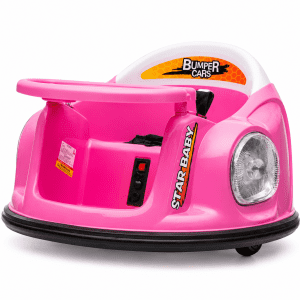
  • Sale! 12V Bumper Car - 360-Degree Spin

    12V Bumper Car – 360-Degree Spin

    Original price was: $250.00.Current price is: $199.00.

    12V kids’ bumper car with 360° joystick spin, dual control system, and full safety bumper ring. Built for toddlers with parental remote control, LED lights, and smooth indoor-outdoor performance.

    -

    Select optionsLoading Done This product has multiple variants. The options may be chosen on the product page
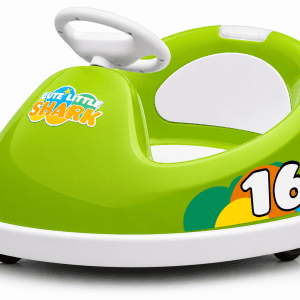
  • Sale! Bumperz Kids Electric 6V Ride-On Bumper Car

    Bumperz Kids Electric 6V Ride-On Bumper Car

    Original price was: $199.00.Current price is: $149.00.

    6V battery-powered bumper car with 360-degree spinning, anti-collision bumper system, and adjustable seat belt. Built with LED lights, music functions, and forward/reverse controls for safe indoor and outdoor toddler play.

    -

    Select optionsLoading Done This product has multiple variants. The options may be chosen on the product page